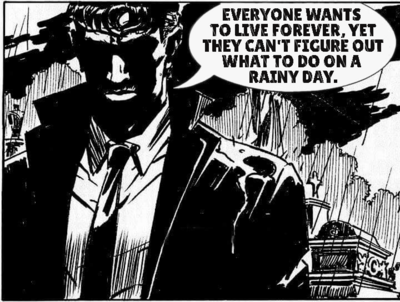
"Do what you love for a living, and you might end up hating it."
How Turning Passion Into a Job Can Destroy It
We live in a culture obsessed with passion. Inspirational quotes flood social media: “Follow your dreams!”, “Do what you love and you’ll never work a day in your life!” They sound nice. Uplifting, even. But if you’ve ever actually tried to turn what you love into your career, you’ll know the reality is often very different, and far less romantic.
The idea that you should turn your passion into your profession is one of those seemingly wise sayings that often fall apart when put into practice.
“But Luci, I do what I love for a living, and I’m happy!” Are you, though? Would you really do your job as a hobby—for no pay?
I realize I’m speaking from a place of privilege: coding is something I genuinely enjoy as a hobby, and I’m fortunate enough to do it professionally as well, not as much fun but I tolerate it. So rather than taking my perspective as a universal truth, consider it a starting point for your own reflections on the matter.
The Moment Passion Becomes Obligation
I tried to follow that quote. Yes, even though it’s often attributed to Steve Jobs—a figure that I do not respect. Nothing personal, but I deeply dislike the closed, proprietary ecosystem Apple created. I grew up immersed in Linux and open systems. A world built on freedom and curiosity. Apple, to me, represents the opposite. I tried with music—my first and biggest love. Creating, playing, experimenting, it’s my outlet and my joy. I wanted to give it a shot professionally, under the illusion that performing my niche genre would somehow pay the bills. But at one point, while living in Miami-Florida, I was struggling financially. Rent was barely manageable. So I leaned on my music skills to survive. I joined a Top 40 cover band to make some quick money.
That decision marked the beginning of a slow, painful shift. The setlist was full of songs I hated: generic, commercial pop (Taylor Swift or Katy Perry even). Every gig felt like I was selling a piece of my soul. Over time, I started getting sloppy. I just couldn’t bring myself to care. I’d learn songs half-heartedly, I'd show up late to gigs, began throwing in improvised solos mid-song, singing backing vocals even when I wasn’t supposed to, basically doing anything I could to inject some life or unpredictability into the experience. Eventually, I was kicked out of the band. At first, I was sad, it was a hit. Rent was still due. I had no backup plan beside my daily less-than-minimum-wage job (which I liked.. but not really, btw). But, as it turns out, getting kicked out was the best thing that could have happened to me.
A couple of weeks later, by sheer coincidence, I got a call from a metal band (not exactly my favorite subgenre, but at least within the same universe) that needed a guitarist for an upcoming tour and to help record their new album. I couldn’t believe it. Suddenly, my passion came roaring back. Music felt good again, life felt good. Of course, I was losing more money than I was making, but at least I wasn’t miserable.
Money Will Corrupt What You Love
The real point here isn’t financial struggle—that was just a side effect. The deeper damage came from turning something sacred into a job. Money changes things. It introduces compromise. It strips away the freedom and joy that made you love that thing in the first place. When your passion becomes your paycheck, it often becomes just another transaction. You stop playing, writing, creating from the heart. You start doing it because you have to. And that changes everything.
So here’s my advice: don’t do what you love for a living. Do what you like, or even just what you can tolerate, something stable enough to support your life without draining your soul. Save what you truly love for your personal time, where you control the pace, the direction, and the purpose. That’s where your passion can breathe and stay alive.
ie. I tolerate coding for money—it’s something that comes effortlessly to me. It doesn’t drain my energy, and it gives me opportunities to learn things I can apply to my personal projects.
When you protect what you love from becoming a job, it stays pure. You can enjoy it for what it is, not for what it pays.
Next time someone says “do what you love,” think carefully. That advice, as well-intentioned as it may sound, can quietly destroy your joy. Protect your passions. Keep them sacred. Let your job pay the bills. Use your job to finance your hobbies.
- snippet.cpp
by:
▖     ▘▖▖
▌ ▌▌▛▘▌▙▌
▙▖▙▌▙▖▌ ▌

written: a while ago. Edited: June 7 2025